
Social Justice
We License Cars, Not Boats — And PNG Keeps Burying the Difference
by Li Richards · August 2, 2026
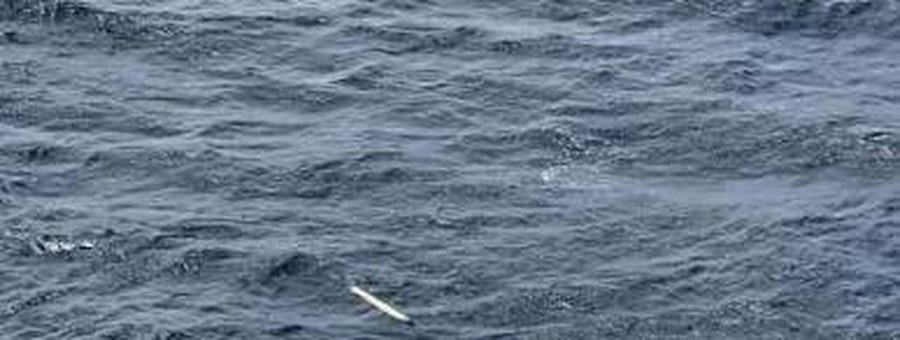
Photo source: PNG Facts
Somewhere in Kokopo tonight, a school bag is still hanging by the door. Nobody has moved it. Nobody can.
On July 18, two boats left Pangpang Island in the Duke of York group, carrying home a group of East New Britain health workers and their families after a birthday outing. Twenty-seven people were aboard — mothers, fathers, children as young as three. An upswell lifted one boat’s stern, dropped its bow, and flipped it. The second boat turned back to help. It capsized too. By the time the search was called off a month later, only thirteen bodies had been found. Fourteen people are still out there, somewhere between East New Britain and New Ireland, and will likely never come home.
Ask yourself honestly: if you got a call right now that your family hadn’t made it back from a day trip across the water, would you accept “that’s just how it is here” as an answer?
Because that is, in effect, the answer this country has been giving for fourteen years.
In February 2012, the MV Rabaul Queen went down off Finschhafen with somewhere between 350 and over 400 people crammed onto a ferry rated for 310. The official death toll sits between 146 and 165 — this country’s worst peacetime maritime disaster. A Commission of Inquiry sat, took evidence, and handed down findings. Families are still waiting for anything resembling justice or compensation. And in July this year, we buried children for the same reason all over again: too many people, weather nobody stopped to check, and no one at the wharf whose job it was to say no.
Here’s what should make you angry — not sad, angry: the law to stop this already exists.
The Small Craft Act 2011 requires anyone operating a small craft for passengers to be registered and licensed, through Provincial Small Craft Registration Boards working with the National Maritime Safety Authority. Fourteen of PNG’s fifteen maritime provinces have these boards on paper. East New Britain is one of them. And the Duke of York tragedy still happened in East New Britain’s own waters, because a board with a filing cabinet in a provincial office doesn’t stop a boat from sailing overloaded into rough water. Nobody was at Pangpang checking who was boarding, how much weight was going on, or whether the sea was fit to cross. The law existed. It just wasn’t anywhere near the wharf when it mattered.
Then there’s Madang — my own province, and by some accounts the one with the worst maritime accident record in the entire country. For more than fifteen years we couldn’t even manage to set up a board. It finally launched in December 2025. Registration only began this March. By May, the registry had processed 334 boats out of the thousands working these coasts. Fifteen years is not a delay. It’s a choice, made over and over, by people who were never going to be the ones drowning.
We license every car that touches our roads. A driver needs a licence. A vehicle needs registration, a roadworthiness check, and compulsory third-party insurance through MVIL, so a grieving family isn’t left with a body and a bill. Somebody, please explain to me why a banana boat carrying twenty passengers across open water answers to less scrutiny than a twenty-five-seater PMV that never leaves the tarmac.
So here’s what I’m asking for, plainly, no metaphors: every operator carrying paying passengers holds a real certificate of competency — not a nod from whoever’s standing at the boat stop. Every boat is registered, numbered, and inspected annually for seaworthiness. Every boat carries a life jacket for every single person on board, and never exceeds its rated capacity, with fines and arrests that actually happen when it does. And every one of them carries insurance for the passengers it takes out to sea.
We are not the first country to face this and we don’t have to invent the fix. In August 2019, three boats capsized in a single afternoon on the Philippines’ Iloilo Strait, killing 31 people. The response wasn’t a taskforce that meets twice a year — within ten days, boats on that route were capped at 75 percent capacity, banned from sailing outside daylight hours and fair weather, and required to carry a life vest for every passenger before they were allowed back on the water. Fiji runs a Small Craft Code under its Maritime Transport Decree that requires every skipper to hold a certificate of competency matched to the waters they’re operating in. None of that is radical policy dreamed up in a think tank. It’s regulation a government can stand up in months, not decades, if it decides the lives are worth more than the paperwork.
We need water police stationed on our busiest routes, checking loading and safety gear before a boat leaves the wharf — not arriving after it’s already gone down. Madang’s registry is already working with its Water Police on exactly that model. Every one of our fifteen maritime provinces needs the same thing, properly funded, running every single day, not just in the fortnight after a tragedy makes the news.
We should also be asking why an open dinghy built to chase fish is routinely certified to carry thirty paying passengers across open sea, when purpose-built passenger vessels exist. Other countries stopped asking that question after the funerals. We should ask it before ours.
None of this brings back the fourteen still out there off New Ireland, or the more than a hundred we lost on the Rabaul Queen. But it can be the last time we write this essay. I’m asking our National Government, our provincial administrations, and NMSA directly: do not wait another fifteen years to do what the law already tells you to do. License the operator. Register the boat. Insure the passenger. Enforce it on the water, every day, on every route — not just the ones that made the news this month.
We keep saying “never again” after every one of these. So tell me: how many more school bags have to hang by the door before we mean it?